Choosing the Right SPF for Your Skin Type
The number on the tube is the easy part. Matching filter system, texture and finish to your skin is what makes protection sustainable.

Every dermatologist gives the same first answer: SPF 50+, broad spectrum, every day. The second answer is more interesting, because it is personal. Two products can carry identical protection factors and behave completely differently on oily, dry, sensitive or pigmentation-prone skin — and the one that suits you is the one you will still be using in six months.
Start with what is non-negotiable
- SPF 50+ as the baseline, for the application-dose margin it provides.
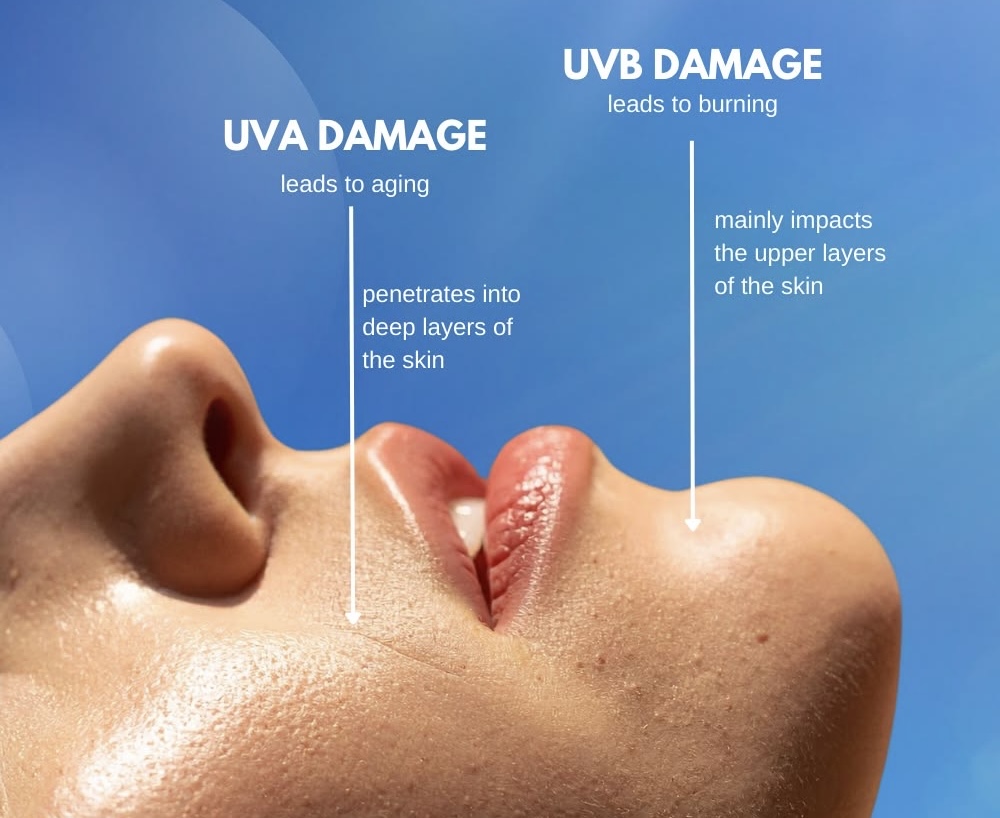
- Verified broad-spectrum coverage — a UVA seal or PA rating, not SPF alone.
- Photostable filters that do not degrade quickly under sustained exposure.
- A texture you are willing to apply generously, twice, on a humid morning.
Oily and combination skin
The instinct is to reach for something aggressively mattifying, but heavily absorbent formulas often trigger compensatory oil production and a tight, dehydrated surface by midday. What works better is a lightweight fluid or gel-cream that hydrates without occlusion, leaving a soft satin rather than a shine or a chalky flatness. Look for non-comedogenic testing and avoid heavy occlusive oils high in the ingredient list.
Reapplication is the real challenge here. A formula that layers cleanly over itself, without rolling or greying, matters more than any claim about pore size.
Dry and dehydrated skin
Dry skin needs the filter carried in a base that supports the barrier: humectants such as glycerin or hyaluronic acid, and ideally lipids that reduce water loss. The practical benefit is not only comfort — a well-hydrated surface allows an even, continuous film, which is precisely what delivers the labelled protection.
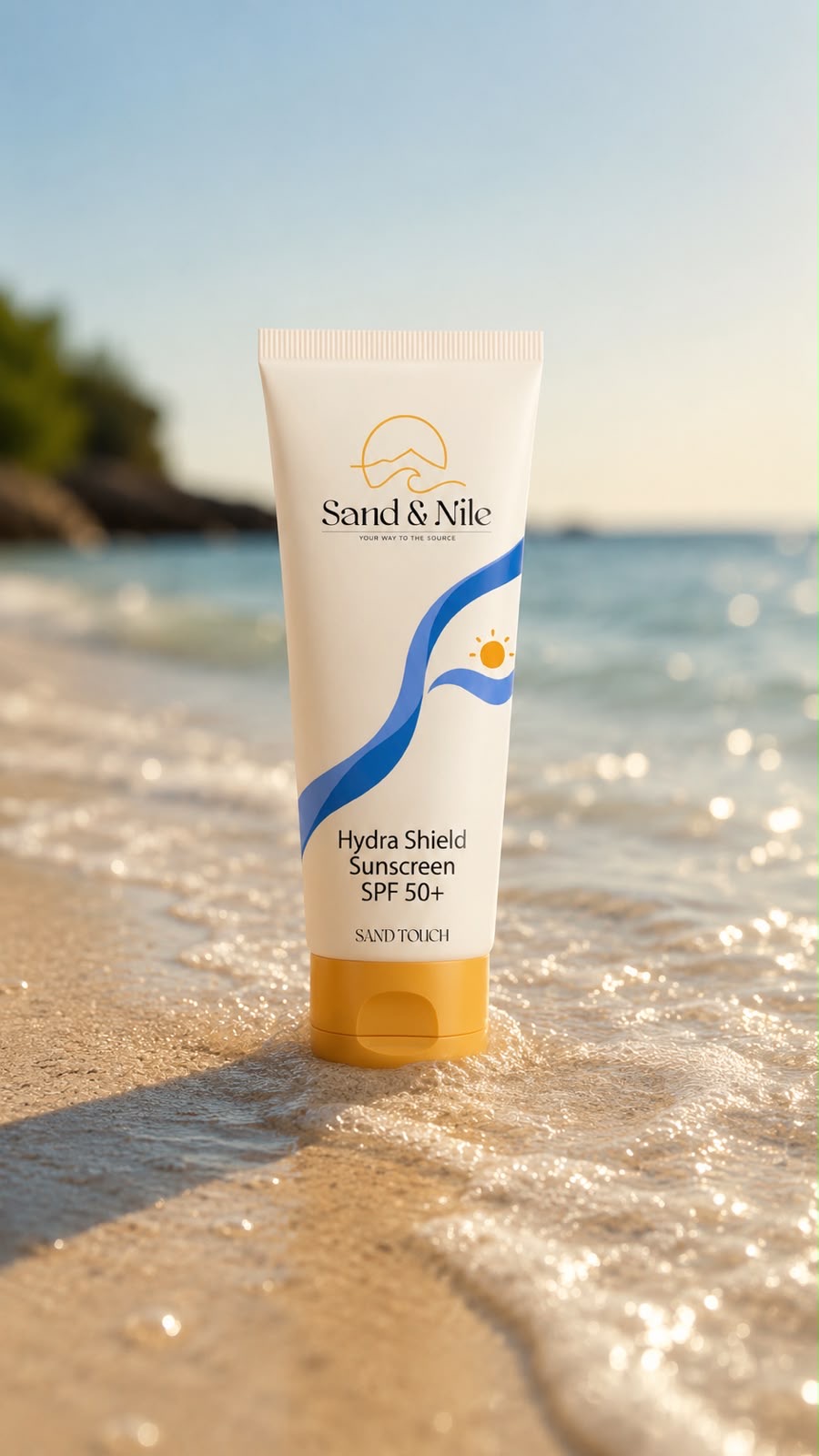
A sunscreen formulated with substantive hydration, as Sand Touch SPF 50+ is, often removes the need for a separate morning moisturiser. Fewer layers means less pilling and a more reliable protective film.
Sensitive and reactive skin
For skin that flushes, stings or reacts easily, mineral-led filter systems based on zinc oxide are traditionally the gentlest choice, since they act largely at the surface. Fragrance-free formulations reduce a common source of irritation. Whichever route you take, patch test along the jawline for several days before committing to full-face use, and introduce one new product at a time.
Pigmentation-prone skin and melasma
This is the group for whom sunscreen choice matters most. Melasma and post-inflammatory hyperpigmentation are triggered not only by UV but by visible light and heat. Standard UV filters do not block visible light, which is why tinted formulas containing iron oxides are specifically recommended in the melasma literature — the pigment provides visible-light protection that clear formulas cannot.
Antioxidant support helps here too, and so does discipline: pigmentation responds to consistency over months, not to intensity over a weekend.
Acne-prone and treatment-adjacent skin
Anyone using retinoids, acids or in-clinic treatments is photosensitised and needs daily protection more, not less. Choose fluid textures, avoid dense waxes, and cleanse thoroughly at night — many perceived sunscreen breakouts are in fact incomplete removal rather than the formula itself.
Deeper skin tones
Higher constitutive melanin provides some baseline protection but nothing approaching sufficiency, and the dominant concern shifts from burning to pigmentation. The historic complaint is white cast. Modern hybrid systems and well-matched tints solve it; a formula that disappears on deeper tones is not a luxury but the condition of daily use.
How to test a candidate properly
Wear it for two weeks under your usual conditions — your climate, your makeup, your commute. Apply the full two-finger dose each time. Ask three questions: does it sit comfortably at hour six, does it reapply cleanly, and do you resent putting it on? Adherence is the variable that decides outcomes, and it is entirely a question of fit.
The Journal
Sand Touch SPF 50+
Broad-spectrum protection in a hydrating base, designed for daily wear in regional light.