Common Sunscreen Mistakes That Damage Your Skin
Most sunscreen failures are not formulation failures. They are application habits — and each one has a simple correction.

In clinical practice the same conversation repeats: a patient uses sunscreen conscientiously, and still presents with melasma, uneven tone or early photoageing. The product is rarely at fault. The gap sits between the SPF printed on the tube and the SPF actually worn on the skin, and it is created by a short list of habits.
1. Applying too little
This is the dominant error and the most consequential. Sunscreen is tested at 2 mg per square centimetre. Surveys of real-world use find people apply between a quarter and a half of that. Because the relationship between film thickness and protection is not linear, half the dose does not deliver half the SPF — it can deliver closer to a quarter.
The correction is the two-finger rule: squeeze a line of product along the length of your index and middle fingers, and use all of it on the face and neck. It will look like more than you expect. That is the point.
2. Skipping the perimeter
Sun damage concentrates where application stops. The most commonly missed zones are the hairline and part, the ears and behind them, the eyelids, the sides of the neck, the décolleté, and the backs of the hands. Dermatologists can often identify a person's dominant application hand from the asymmetry of pigment on the face.
- Work outward past the jaw, onto the neck and the top of the chest.
- Include the ears and the strip of scalp along a parting.
- Bring product carefully up to the orbital bone; use a stick or mineral formula if the eye area is sensitive.
- Finish with the backs of the hands — the fastest-ageing skin on the body after the face.
3. Treating morning application as all-day cover
Filters degrade under ultraviolet exposure, and the film is disturbed by sweat, sebum, water and touch. Two hours of sustained outdoor exposure is the practical limit for a single application. Indoors, away from windows, a morning application may hold, but the moment you spend real time outside the clock restarts.
Reapplication over makeup is the usual objection. A cushion or powder SPF works for touch-ups, but neither replaces a proper base layer — they supplement it. Pressing product on rather than rubbing preserves the makeup underneath.
4. Assuming indoors means protected
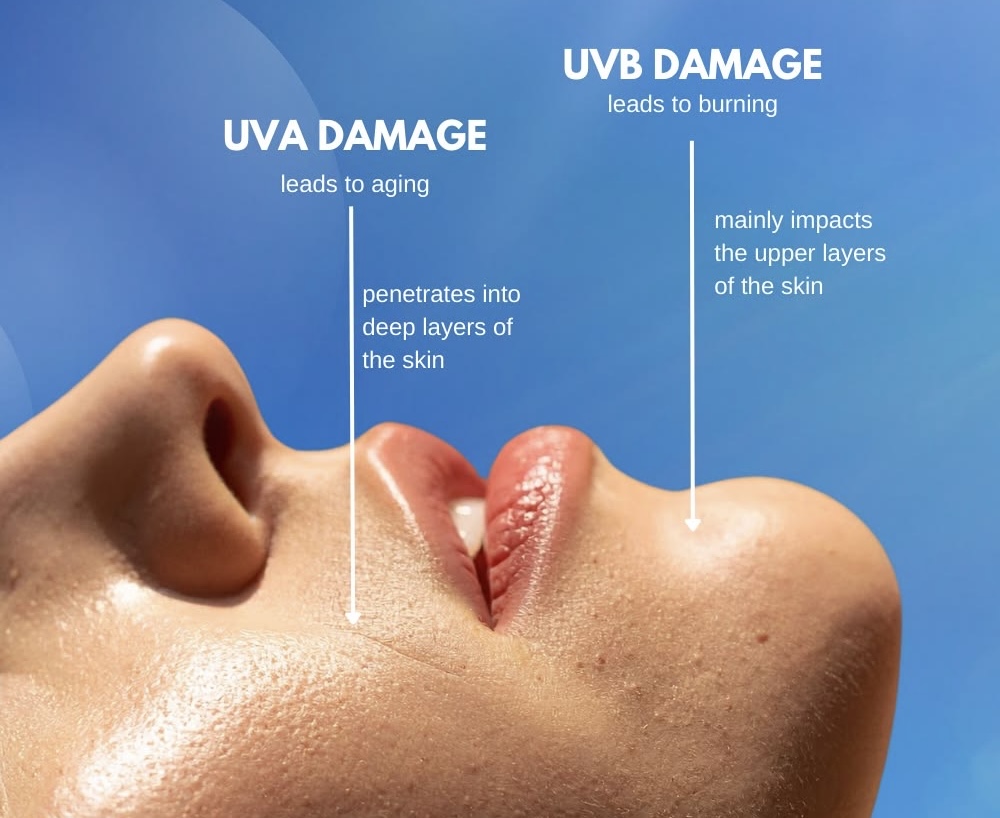
Standard window glass blocks most UVB but transmits a substantial proportion of UVA. Desk workers seated beside glass, and anyone who drives regularly, accumulate meaningful asymmetric exposure. A well-documented literature of "driver's face" photoageing exists precisely because of this.
5. Waiting for sunshine
Cloud cover reduces ultraviolet transmission far less than it reduces visible light and heat. On an overcast day a large share of UV still reaches the ground, while the absence of glare and warmth removes the cues that normally prompt protection. Winter presents the same trap: lower intensity, but daily accumulation continues.
6. Layering in the wrong order — or over-layering
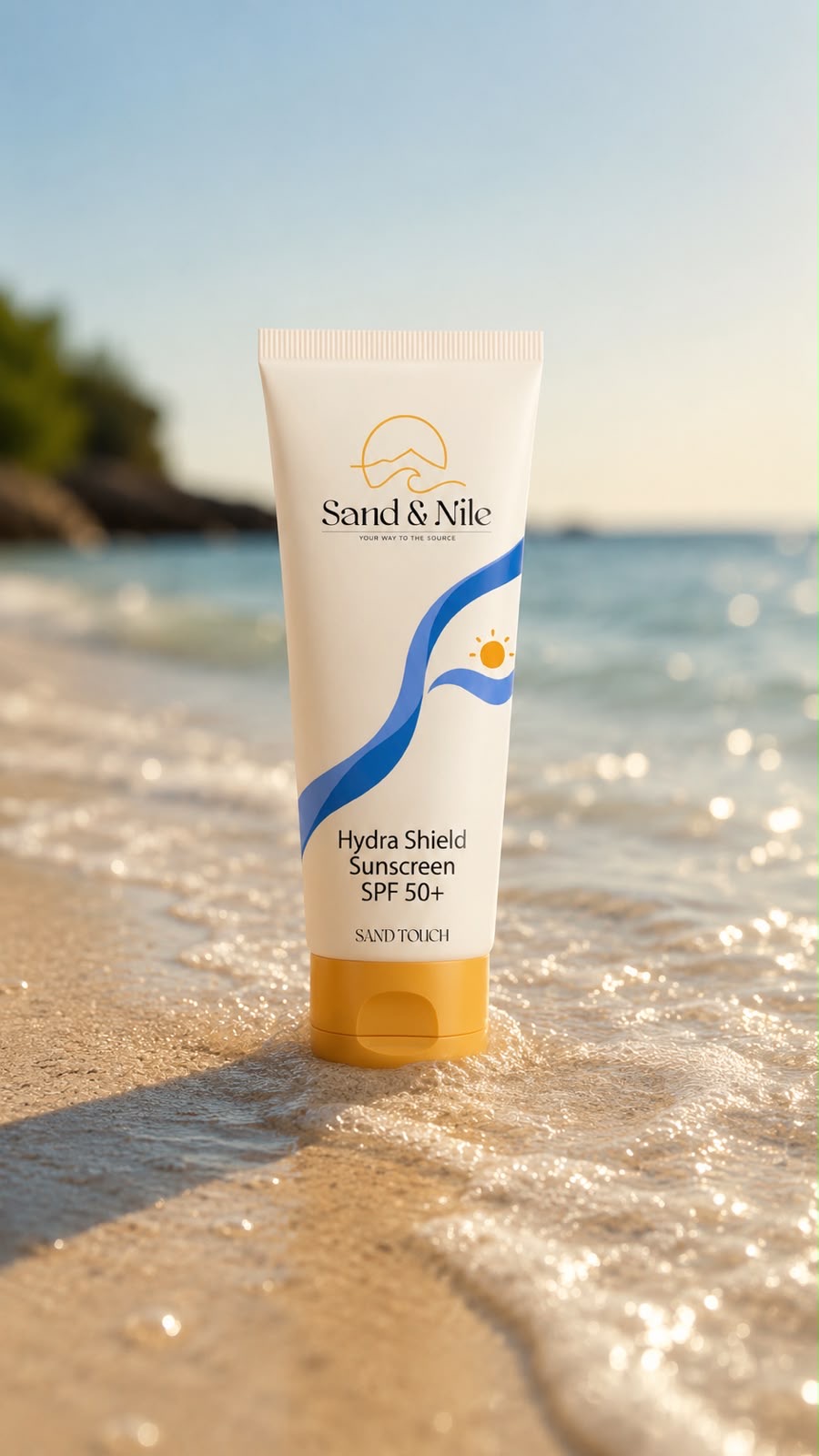
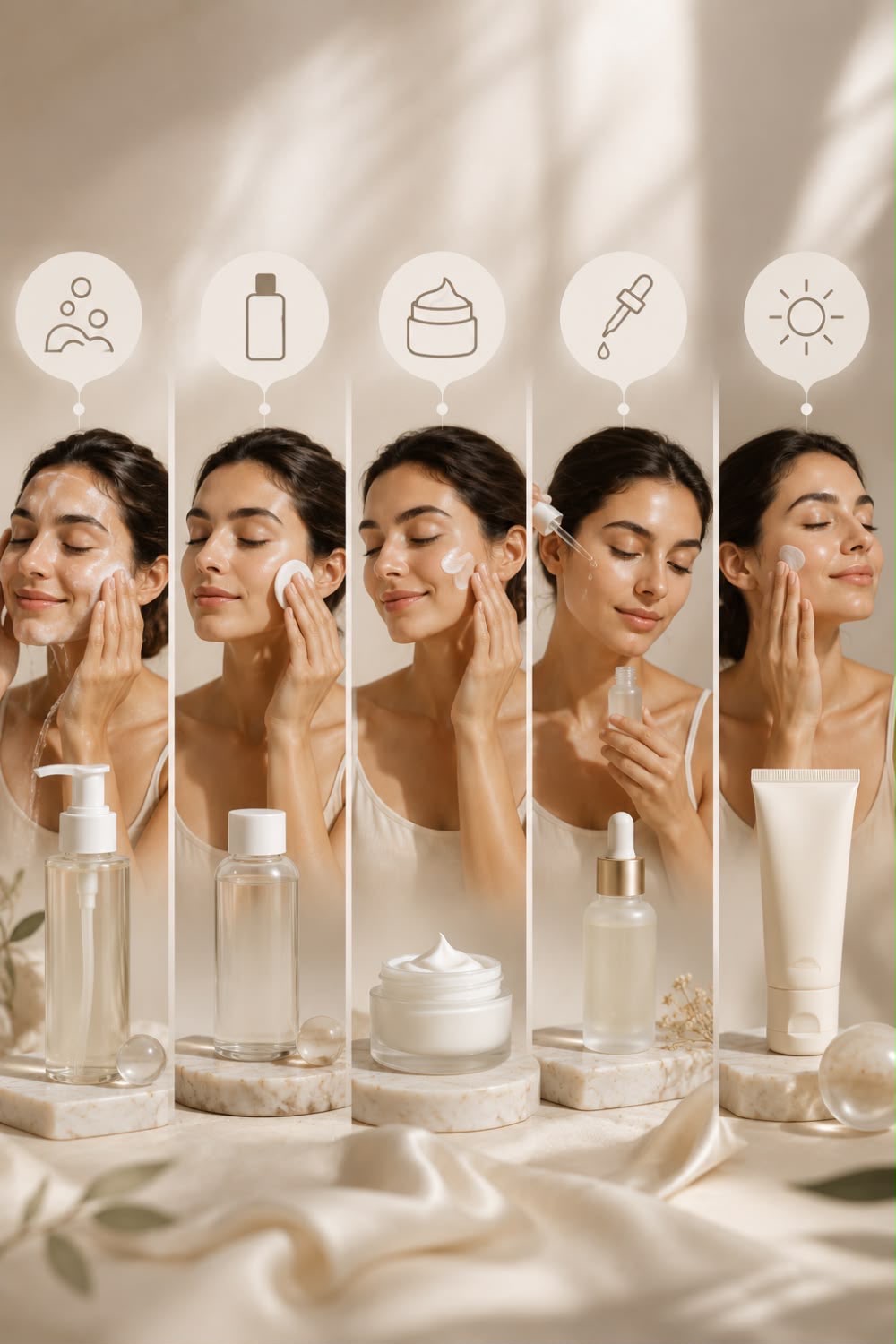
Sunscreen belongs on clean, dry skin as the final step of morning care. Applying it over a heavy, still-wet layer of product dilutes the film and encourages pilling. Where a sunscreen is formulated with meaningful hydration — as Sand Touch SPF 50+ is — an additional moisturiser is usually unnecessary, and removing that layer improves both the finish and the evenness of the protective film.
7. Letting the texture decide
The best sunscreen is, unromantically, the one you will wear every day without resentment. If a formula is tacky, whitening or heavy, adherence collapses within a fortnight regardless of the number on the label. Texture is not vanity; it is the single strongest predictor of whether protection actually happens.
8. Storing it badly
Heat degrades filter systems. A tube left in a car glovebox through a Gulf summer, or in direct sun beside a pool, can lose efficacy well before its printed expiry. Store sunscreen in shade, at room temperature, and replace anything that has separated, thickened or changed scent.
The correction is small
None of these fixes requires a new product or a longer routine. More product, wider coverage, one reapplication, and a formula pleasant enough to keep using — that is the entire difference between a sunscreen that works on paper and one that works on skin.
The Journal
Sand Touch SPF 50+
Broad-spectrum protection in a hydrating base, designed for daily wear in regional light.