The Science Behind Daily SPF Protection
What a broad-spectrum filter system actually does at the surface of the skin — and why consistency, not intensity, is what preserves it.
Sunscreen is the most studied preventive product in dermatology, and also the least understood by the people who use it. Most of us treat it as a holiday accessory: something for the beach, the pool, the long afternoon outdoors. The evidence points somewhere quieter. The protection that changes how skin ages is the protection applied on ordinary mornings, indoors and out, in May and in December.
What ultraviolet light does at the cellular level
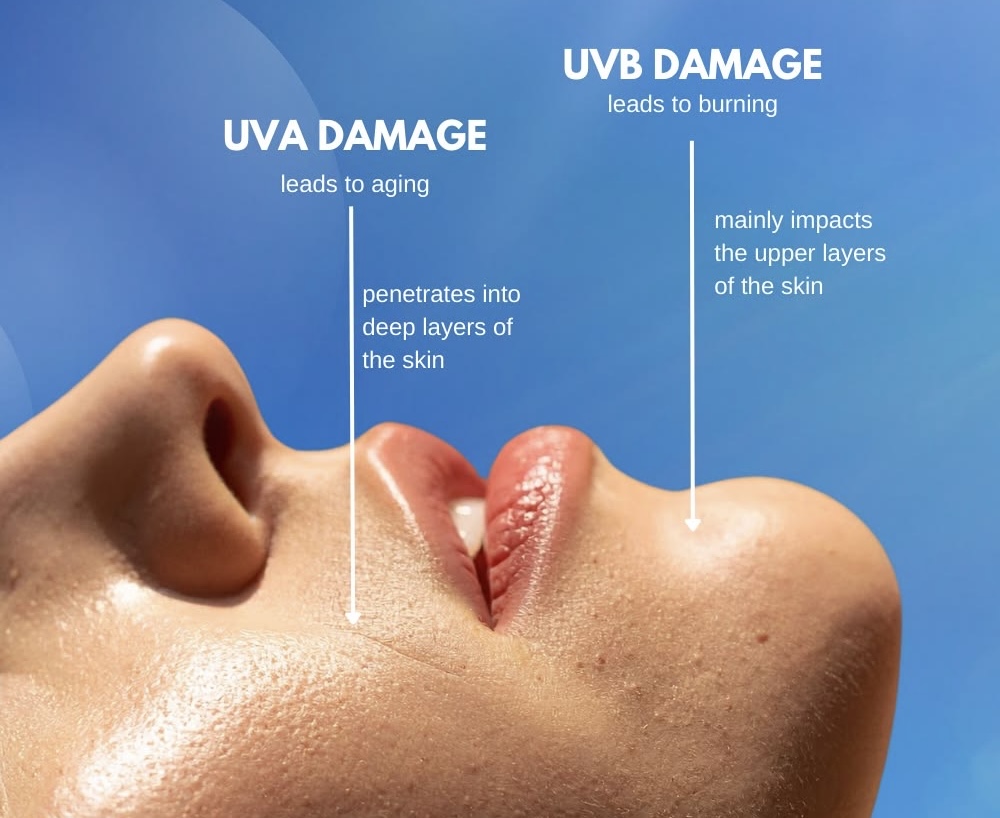
Ultraviolet radiation reaching the skin divides into two relevant bands. UVB, the shorter wavelength, is absorbed in the epidermis, where it damages DNA directly and produces the redness we recognise as sunburn. UVA penetrates further, into the dermis, where collagen and elastin are organised. It generates reactive oxygen species — unstable molecules that fragment structural proteins and switch on the enzymes that break them down.
The distinction matters because UVA gives no warning. There is no sting, no flush, no signal that anything has happened. Photoageing accumulates silently across decades: loss of firmness, uneven pigment, a coarsened surface texture. Studies comparing sun-exposed and sun-protected skin on the same person consistently show a difference measured in decades of apparent age.
How a modern filter system works
Sunscreen filters fall into two families. Mineral filters — zinc oxide and titanium dioxide — sit on the surface and reflect, scatter and partly absorb incoming radiation. Organic filters absorb ultraviolet energy and release it as harmless heat. Contemporary formulation rarely relies on one family alone. The most elegant textures come from filter systems that combine both, balancing photostability, breadth of coverage and how the product actually feels on skin.
Two markings on a label describe that coverage. SPF quantifies protection against UVB, expressed as the ratio of energy needed to redden protected skin versus unprotected skin. PA ratings or the circled UVA symbol describe UVA protection. A product with a high SPF and no UVA credential is only half a sunscreen — and the half it neglects is the half responsible for ageing.
Why SPF 50+ is the sensible baseline
SPF 30 filters roughly 96.7% of UVB; SPF 50 filters about 98%. On paper the gap looks trivial. In practice it is not, for one reason: nobody applies a laboratory dose. Testing uses 2 mg per square centimetre of skin. Real-world application is typically a third to a half of that, and protection falls disproportionately, not linearly. Starting from SPF 50+ builds in a margin for the way people genuinely apply sunscreen.
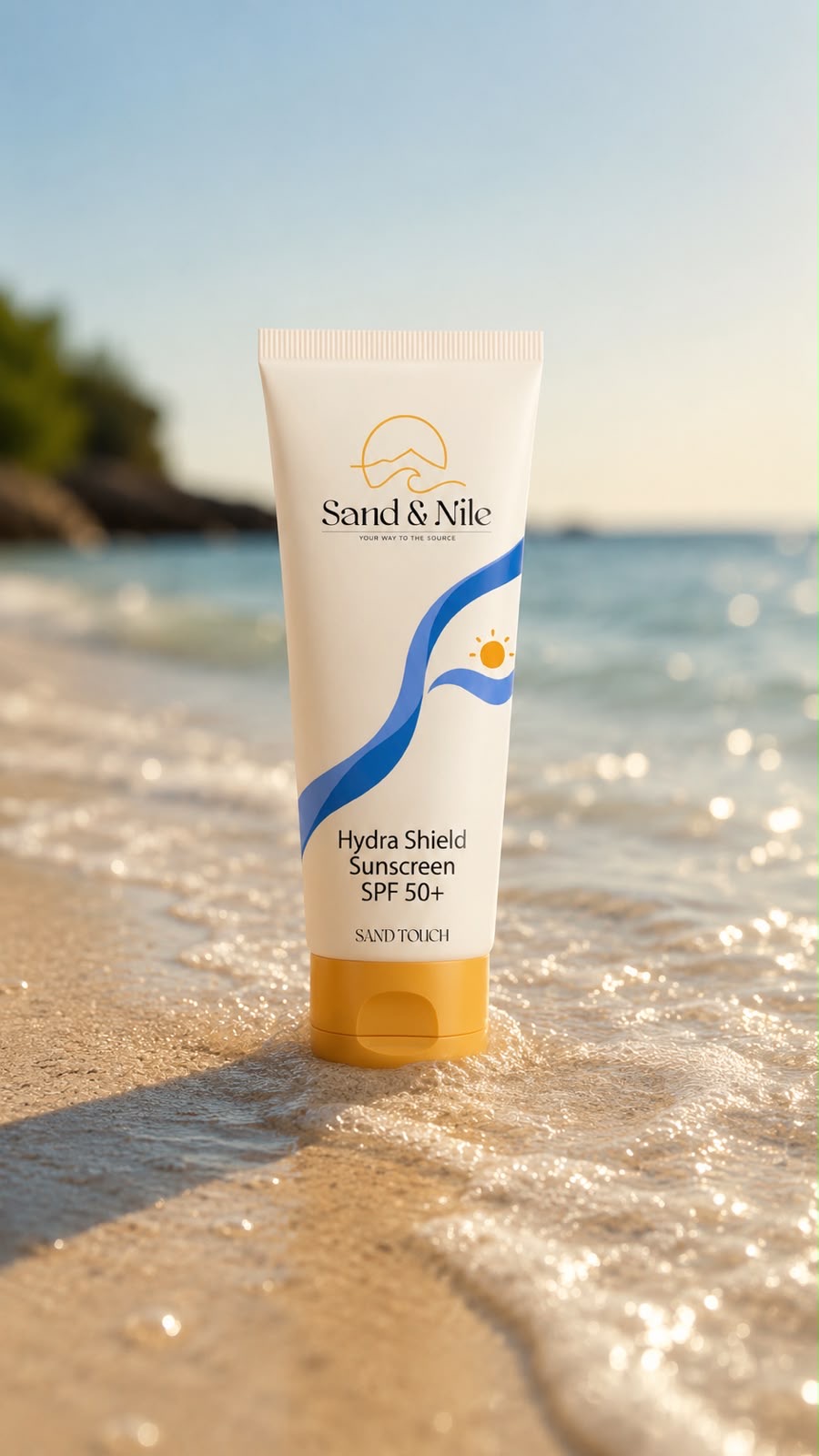
That margin matters more in the Gulf and North Africa, where the UV index sits at extreme levels for months and reflected light from sand, water and pale stone adds to the direct dose. Sand Touch SPF 50+ was developed with that ambient reality in mind rather than a temperate European summer.
The hydration variable
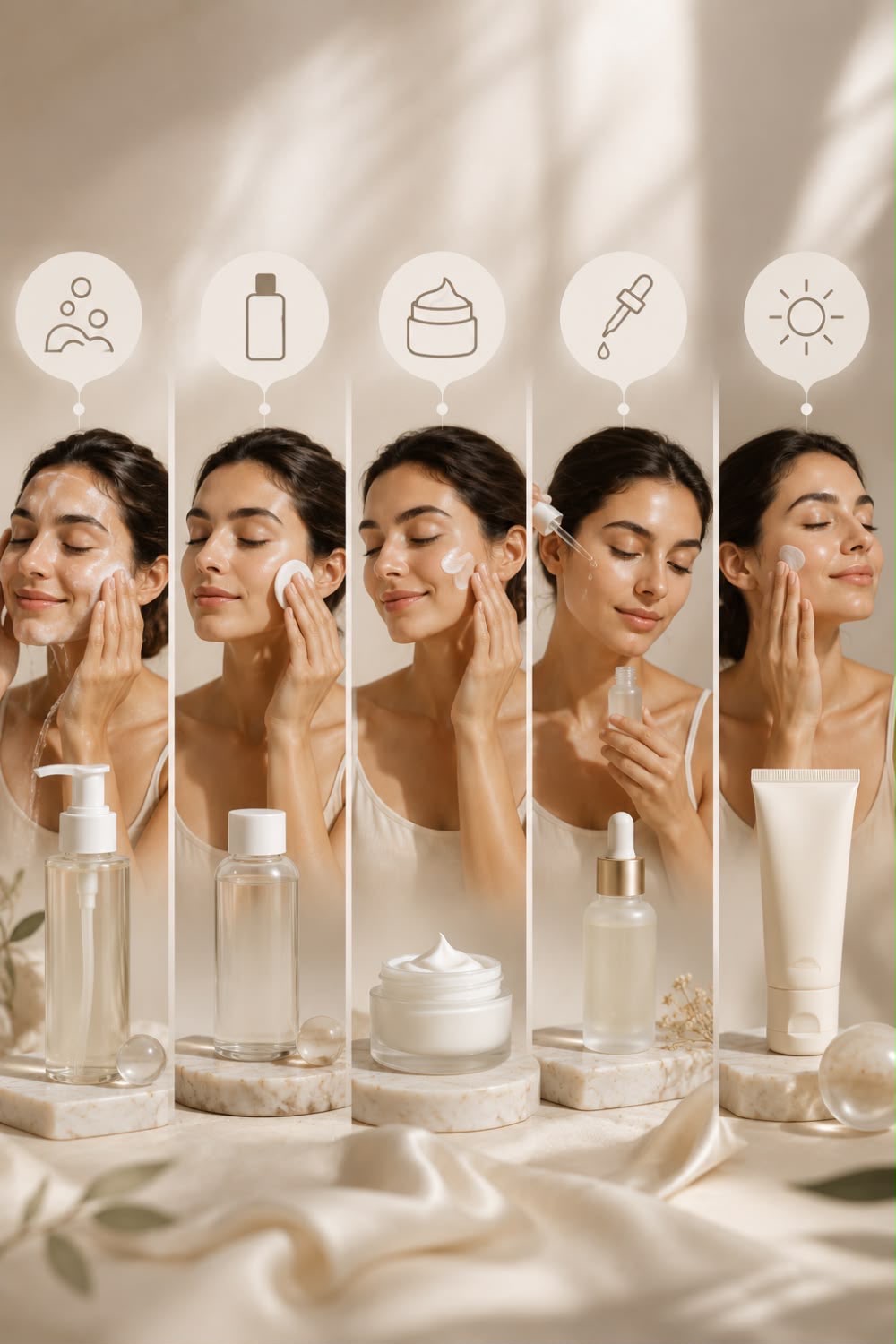
Photoprotection and barrier health are not separate projects. A dehydrated stratum corneum scatters light unevenly, looks dull, and is measurably more reactive. It also makes sunscreen harder to apply evenly, which quietly reduces the film thickness — and therefore the real SPF — you end up wearing.
This is why hydration is formulated into Sand Touch rather than layered underneath it. A filter system carried in a genuinely moisturising base is applied more generously, spreads into a more continuous film, and is far more likely to be reapplied, because it feels like skincare rather than a chore.
Consistency beats intensity
A useful way to think about it: photoprotection is a dose problem measured over a lifetime, not an event. Twenty minutes of unprotected exposure each day — the walk to the car, the commute, the balcony coffee — accumulates into a substantial annual dose. Randomised trials of daily sunscreen use, most famously the Nambour study in Queensland, found measurable reductions in photoageing and skin cancer incidence in the daily-use group compared with occasional users.
- Apply every morning, indoors days included — UVA passes through window glass.
- Use approximately two finger-lengths of product for the face and neck.
- Reapply every two hours during sustained outdoor exposure, and after swimming or towel drying.
- Treat shade, fabric and timing as partners to sunscreen, not replacements for it.
The quiet return
Daily sun protection is unglamorous work. There is no immediate transformation, no visible result at the end of the week. What it offers is subtraction: the damage that does not happen, the pigment that never forms, the collagen that stays where it is. Ten years of consistent mornings is the single most effective anti-ageing decision available in skincare — and it is available to everyone.
The Journal
Sand Touch SPF 50+
Broad-spectrum protection in a hydrating base, designed for daily wear in regional light.